
common core reteaching and practice workbook 3rd grade pdf
Designed for 3rd‑grade students, this PDF workbook consolidates Common Core standards in reading, math, and writing. It offers reteaching, engaging activities, formative assessments to reinforce concepts, build confidence, track progress throughout the school year. Use to strengthen skil and inspire learners.
1.1 Purpose of the Workbook
The Common Core Reteaching and Practice Workbook for 3rd Grade serves as a focused, standards‑aligned resource that bridges gaps in foundational skills. Its primary purpose is to provide teachers with a structured, evidence‑based tool that reinforces core concepts through targeted practice, immediate feedback, and reflective checkpoints. By integrating concise lessons, interactive activities, and diagnostic quizzes, the workbook supports differentiated instruction and allows educators to identify learning needs quickly. It also offers a clear pathway for reteaching, ensuring that students who struggle with specific standards receive focused, scaffolded support that aligns with the Common Core framework. The workbook’s design encourages active engagement, promotes mastery through repetition, and builds confidence in students as they progress toward grade‑level proficiency. Additionally, it serves as a valuable assessment companion, enabling teachers to track progress, adjust pacing, and celebrate growth milestones. Ultimately, the workbook empowers teachers to deliver consistent, high‑quality instruction while giving students the opportunity to master essential skills in a supportive, structured environment.
The workbook includes a teacher’s guide with strategies, sample lesson plans, and a reference chart for common misconceptions. Students benefit from visual aids and sections that contextualize abstract concepts. The modular format allows flexible use—warm‑up, targeted intervention, or review before assessments. By embedding formative checkpoints, the workbook monitors understanding, enabling instructional adjustments. Its user‑friendly layout, clear objectives, and alignment with state benchmarks make it indispensable for classrooms seeking to elevate learning outcomes and close achievement gaps!!!
1.2 Target Grade Level
Designed for students in the third‑grade cohort, this workbook aligns with the developmental milestones typical of early elementary learners. At this stage, children are refining foundational literacy skills, expanding vocabulary, and beginning to solve multi‑step math problems with confidence. The content is tailored to the cognitive, social, and emotional growth patterns observed in 8‑ to 9‑year‑olds, ensuring that activities are engaging yet appropriately challenging. The workbook’s structure reflects the Common Core’s emphasis on depth of understanding, encouraging students to apply concepts in varied contexts. By incorporating visual supports, interactive exercises, and real‑world scenarios, the material meets diverse learning styles and promotes inclusive classroom practice. Teachers can adapt the pacing to accommodate individual progress, using the built‑in checkpoints to monitor mastery. The workbook also respects the transition from concrete to abstract thinking, providing scaffolded support for students who need additional practice while still offering enrichment for advanced learners. Overall, it serves as a comprehensive resource that supports the academic and developmental needs of third‑grade students, fostering both confidence and competence across core domains.
Students will encounter problem‑solving scenarios that foster critical thinking, while teachers receive lesson plans aligned with state benchmarks, differentiated instruction and ensuring learner progresses a pace suited to their strengths daily!!.

Alignment with Common Core
Designed to mirror state standards, this workbook maps directly to Common Core benchmarks for 3rd grade. It offers targeted practice, formative checks, and contexts that reinforce reading, math, and language arts skills, ensuring consistent alignment and measurable growth.!
2.1 Key Standards Covered
This workbook aligns with the Common Core State Standards for 3rd grade, covering core domains in reading, mathematics, and writing. Each section is mapped to specific benchmarks, ensuring that practice activities reinforce the skills students are expected to master by the end of the year.

- Reading: Focuses on CCSS.ELA-LITERACY.RL.3.1–RL.3;4, including determining main ideas, analyzing text structure, and interpreting figurative language.
- Mathematics: Addresses CCSS.MATH.CONTENT.3.OA–3.NBT, covering operations with whole numbers, fractions, and basic geometry concepts.
- Writing: Targets CCSS.ELA-LITERACY.W.3.1–W.3.5, emphasizing narrative, informational, and opinion pieces with clear organization and evidence support.
Throughout the workbook, formative checks are embedded to gauge comprehension, and each activity is accompanied by a brief reflection prompt that encourages students to articulate their reasoning and connect new knowledge to prior learning experiences.
By integrating this workbook into daily instruction, teachers can seamlessly align lesson objectives with state standards, monitor progress through built‑in rubrics, and adjust pacing to meet diverse learner needs. The resource supports differentiation, allowing students to work at varying levels while still meeting the same core expectations.
Additionally, the workbook includes downloadable assessment sheets that can be used for end‑of‑unit testing or formative review sessions.
Teachers can also use the workbook’s quick‑reference charts to identify which standards are addressed in each activity, making it easier to plan cross‑curriculum lessons. The PDF format allows for easy sharing with parents and support staff, ensuring that everyone involved in a student’s learning journey has access to the same instructional framework. This transparency promotes consistency and accountability across the classroom.
Students will find the activities engaging, reinforcing concepts through practice and reflection!!!!

2.2 Skill Focus Areas
Students will develop robust reading fluency and vocabulary, enabling them to decode complex texts and comprehend nuanced meanings. They will practice identifying main ideas, supporting details, and text structure, while also applying inference skills to interpret implicit information. Math activities emphasize place‑value concepts, multi‑digit addition and subtraction of multi‑digit numbers, and the basics of fractions, including equivalent fractions and simple division. Geometry tasks cover the properties of two‑dimensional shapes, perimeter calculations, and area relationships, fostering spatial reasoning. Writing exercises focus on narrative and informational texts, encouraging clear topic sentences, logical organization, and the use of transition words. Grammar instruction reinforces subject‑verb agreement, verb tense consistency, and punctuation rules, while editing activities promote self‑assessment and revision. Collaborative projects involve peer feedback, group problem‑solving, and the integration of digital tools for research and presentation. Throughout the workbook, formative checks gauge mastery, and reflective prompts help students articulate learning goals and strategies. By engaging in these targeted practices, students strengthen foundational skills, build confidence, and prepare for higher‑grade challenges. Teachers can integrate these activities into daily lessons, using the workbook as a scaffold for differentiated instruction. Students can track progress through quick quizzes, peer reviews, and self‑assessment checklists, allowing for timely intervention. The workbook includes printable worksheets, digital resources, and a teacher guide with suggested pacing and assessment rubrics. Students who master core concepts can move on to more complex problem‑solving tasks, enhancing critical thinking. The emphasis on practice and reflection helps students internalize skills and apply them across subjects. By year’s end, learners show confidence and skill.

Workbook Structure
The workbook is organized into three core sections: Reading, Math, and Writing & Language. Each section contains graded lessons, targeted drills, and formative quizzes; The layout supports sequential learning, easy navigation, and printable worksheets for classroom use. Quick review. now
3.1 Reading Section

The Reading Section of this workbook is meticulously designed to align with Common Core State Standards for English Language Arts, specifically targeting 3rd‑grade proficiency in comprehension, vocabulary, and fluency. Each unit opens with a selected passage that reflects contexts, followed by a series of guided questions that prompt students to identify main ideas, make inferences, and analyze character motivations. To reinforce decoding skills, the section incorporates phonics drills, word‑family practice, and contextual guessing games that are embedded within the reading passages. Interactive quizzes follow each passage, offering feedback on comprehension accuracy and fluency rate, allowing teachers to monitor growth and adjust instruction accordingly. Students also complete a reflective journal entry after each unit, encouraging metacognitive awareness of reading strategies and growth. The PDF format supports easy printing and digital annotation, making it versatile for both classroom and home learning environments. A built‑in rubric tracks student progress across reading comprehension, vocabulary usage, and fluency metrics, providing educators with actionable data. Overall, this Reading Section offers a comprehensive, standards‑aligned framework that supports reteaching, practice, and mastery for 3rd‑grade learners. By integrating texts, such as videos and audio, the workbook caters to learning styles and reinforces comprehension. Each unit concludes with a group discussion prompt that encourages collaborative analysis and peer feedback, fostering a classroom community of inquiry. Teachers can customize the difficulty level by selecting optional extension activities, ensuring that all students remain challenged and engaged. The workbook also includes a glossary of key terms, allowing students to build a personal vocabulary bank that supports retention. With its layout and clear instructional cues, the Reading Section is a valuable resource for both teachers and parents seeking to reinforce literacy skills.

3.2 Math Section
In the Math Section of this Common Core‑aligned workbook, 3rd‑grade concepts are revisited through a blend of conceptual explanations, hands‑on activities, and real‑world problem scenarios. Each chapter begins with a concise objective that ties directly to the Common Core Standard (e.g., 3.OA.A.1 for addition and subtraction of multi‑digit numbers). Students then engage with a series of guided practice problems that gradually increase in complexity, allowing for mastery of place value, regrouping, and basic operations. Visual aids such as number lines, base‑ten blocks, and fraction strips are embedded in the PDF to support diverse learning styles. Interactive quizzes provide instant feedback, while a “Check Your Work” section encourages students to verify solutions and reflect on strategies used. To deepen understanding, the workbook offers word problems that incorporate measurement, data interpretation, and simple algebraic thinking. Each unit concludes with a “Math Challenge” that requires students to apply multiple skills in a single, open‑ended problem. Teachers can use the built‑in rubric to assess accuracy, reasoning, and problem‑solving process. The PDF format allows for easy printing, digital annotation, and integration into classroom or home practice. By combining reteaching with targeted practice, this section supports students in building confidence and achieving mastery in 3rd‑grade math skills. Students will also practice applying these skills in contexts, budgeting, and data analysis, ensuring learning daily is transferable.!
3.3 Writing & Language Section
In this segment, students revisit core writing conventions and language skills through targeted practice aligned with Common Core standards for third grade. Each unit opens with a clear learning goal—such as identifying main ideas, using descriptive adjectives, or constructing complete sentences with proper punctuation. The workbook presents short, engaging passages that illustrate these concepts, followed by guided questions that prompt students to analyze structure, tone, and vocabulary. Interactive exercises require learners to rewrite sentences for clarity, combine clauses, or choose the correct word from a list, reinforcing grammar and usage rules. A “Vocabulary Builder” section introduces context clues and synonyms, encouraging students to expand their word choice while maintaining meaning. Students also complete a series of writing prompts that encourage creative expression and factual reporting, allowing them to practice paragraph organization, topic sentences, and supporting details. Peer review activities are embedded, with checklists that help students give constructive feedback on clarity, coherence, and mechanics. The workbook’s printable format supports both classroom instruction and independent study, and teachers can track progress using the included rubric. By blending reteaching with hands‑on application, this section helps students develop confidence in writing and language, ensuring they meet grade‑level expectations and are prepared for higher‑level literacy challenges.Set goals!!

How to Use the PDF
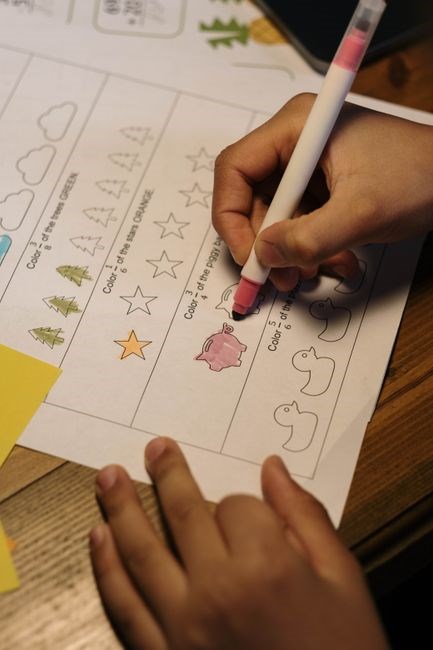
Download the PDF, print each worksheet, and distribute to students. Use the provided answer key for self‑check. Integrate daily lessons, assign practice, and review progress with the tracking sheet. Store completed work for assessment. Print pages in color for visual aid. in class.
4.1 Download and Print Instructions
To begin using the Common Core Reteaching and Practice Workbook for 3rd grade, locate the PDF file on the official teacher resource portal or the school’s shared drive. Click the “Download” button to save the file to your computer. Once downloaded, open the PDF with any standard viewer such as Adobe Acrobat Reader or the built‑in browser viewer. Verify that the file is complete by scrolling through all pages; the workbook should contain 120 pages of structured activities, answer keys, and progress trackers.
For printing,set your printer to duplex mode if In the print dialog, choose “Fit to Page” or “Scale to 100%” to preserve the layout. If you prefer color printing for visual aids, select the “Color” option; otherwise, “Black & White” will save ink. Print the first 30 pages for the reading section, then the next 30 for math, and the final 60 for writing and language practice. Store the printed copies in a labeled binder or folder for easy retrieval during lessons.
After printing, gather the answer keys located on the last 10 pages. Teachers should review these keys before distributing the worksheets to ensure accuracy. For digital use, teachers may also choose to share the PDF via email or a learning management system, allowing students to access the workbook on tablets or laptops. Remember to keep a backup copy on a USB drive or cloud storage to prevent data loss. Ensure that all printed materials are stored in a secure, organized manner to facilitate quick access during instructional time promptly.!
4.2 Classroom Integration Ideas
Integrating the Common Core Reteaching and Practice Workbook into daily instruction can transform routine practice into dynamic learning moments. Begin each lesson by selecting a focused skill—such as identifying the main idea in a paragraph or solving a multi‑step word problem—then assign the corresponding workbook page as a warm‑up or extension. Use the workbook’s built‑in checkpoints to gauge comprehension before moving on; if students struggle, revisit the concept with a brief mini‑lesson or a peer‑collaboration activity. Encourage students to annotate their answers, noting strategies they used and questions that remain. After completing the exercise, hold a brief class discussion where learners share their reasoning, fostering metacognition and peer feedback. For homework, assign the next workbook section and provide a short reflection prompt that asks students to explain how the practice helped them master the target standard. In the classroom, create a “skill station” rotation: one station for reading, another for math, and a third for writing, each with its own workbook pages. Rotate groups every 10–15 minutes, allowing students to practice the same standard in multiple contexts. Finally, use the workbook’s progress tracker to set individualized goals and celebrate milestones, reinforcing a growth mindset and aligning every activity with Common Core expectations.

Teachers can also use the workbook’s interactive charts to create a visual progress board, allowing students to see their growth over time and set personal learning goals for the term;
4.3 Monitoring Student Progress
Use the workbook’s built‑in progress sheets to record daily scores for each skill set. After each session, students fill in a brief self‑assessment, marking confidence levels from 1 to 5. Teachers compile these entries into a shared spreadsheet, linking each student’s name to their recent scores. This data feeds into a color‑coded dashboard: green indicates mastery, yellow signals partial understanding, and red flags concepts needing reteaching. Weekly, schedule a 10‑minute “progress check” where students review their dashboard, set a personal target, and discuss strategies with a partner. For deeper analysis, calculate the average score per standard every two weeks, then plot a line graph to visualize trends. Use these insights to adjust pacing: if a cohort averages below 70% on fraction multiplication, allocate an extra mini‑lesson and provide targeted workbook pages. Additionally, incorporate exit tickets that mirror workbook questions; compare exit ticket results with workbook scores to gauge consistency. Finally, share a monthly progress report with parents, highlighting strengths, growth areas, and recommended at‑home practice from the workbook.
To support differentiated instruction, teachers can group students based on their dashboard scores and assign tailored workbook pages that match each group’s proficiency level. For students who excel, offer extension activities such as creating their own practice problems or teaching peers. For those needing additional support, provide scaffolded worksheets and guided practice sessions. Record all interventions in a shared log to monitor effectiveness and adjust instruction accordingly.dailynow!