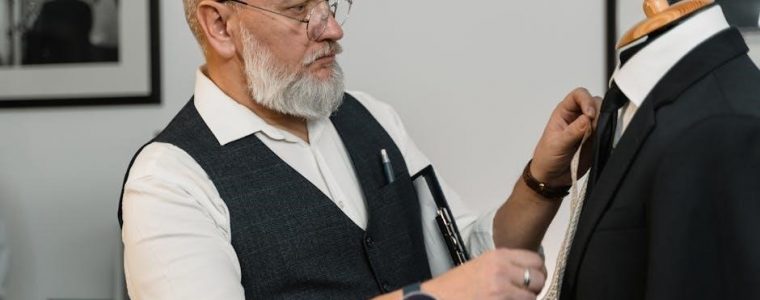
suit jacket measurement guide
Understanding proper suit jacket measurements is crucial for achieving a polished and flattering look; size charts offer guidance, but individual builds vary.
Accurate measurements ensure a comfortable fit, avoiding issues like restricted movement or a sloppy silhouette, enhancing overall style and confidence.
Different suit jacket styles – slim, regular, or modern – require specific fit considerations, impacting how measurements translate to the final garment.
Why Accurate Measurements Matter
Investing in a well-fitting suit jacket transcends mere aesthetics; it’s about projecting confidence and sophistication. Precise measurements are the cornerstone of this, ensuring the jacket complements your physique rather than hindering it. A poorly fitted jacket can appear ill-proportioned, detracting from your overall appearance.
Beyond appearances, accurate measurements directly impact comfort. A jacket that’s too tight restricts movement, making it difficult to perform everyday tasks. Conversely, a jacket that’s too loose lacks structure and can appear sloppy. Consider that standard size charts are merely starting points; individual body variations necessitate personalized measurements.
Furthermore, alterations can be costly and time-consuming. Starting with accurate measurements minimizes the need for extensive tailoring, saving you both money and hassle. Ultimately, a well-fitted suit jacket is an investment in your personal brand, conveying professionalism and attention to detail.
Understanding Suit Jacket Styles & Fit
Suit jacket styles significantly influence how measurements translate into a flattering fit. Classic fit jackets offer a relaxed silhouette with more fabric, accommodating broader builds. Modern fit provides a slightly more tailored look, closer to the body without being restrictive.
Slim fit jackets are the most form-fitting, designed for leaner physiques. Understanding these distinctions is crucial when taking measurements. A slim fit requires more precise measurements than a classic fit, as there’s less room for error. Consider your body type and personal preference when choosing a style.
Additionally, the jacket’s construction impacts the fit. Full canvas jackets drape better and allow for more natural movement, while fused jackets offer a more structured appearance. Knowing the style and construction will help you interpret measurements accurately and achieve the desired look.
Key Measurements for a Suit Jacket
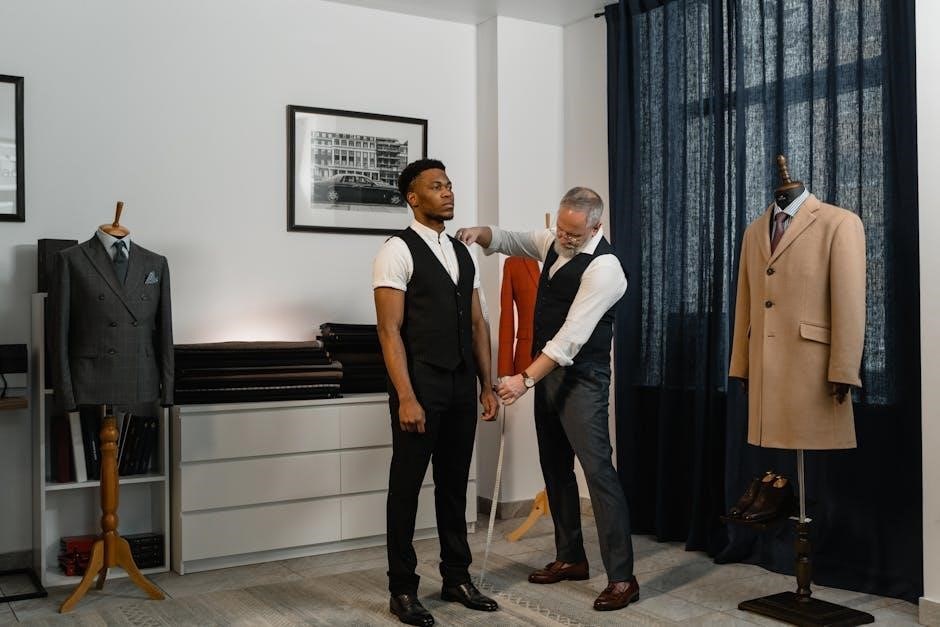
Essential measurements include chest, shoulder, sleeve length, and back length; waist measurement is also vital for a tailored fit, ensuring optimal comfort and style.
Chest Measurement
To accurately determine your chest measurement, stand naturally with your arms relaxed at your sides. Wrap the measuring tape around the fullest part of your chest, typically across the nipples, ensuring the tape is level and snug, but not tight.
Avoid pulling the tape too tightly, as this will result in an inaccurate, smaller measurement. Breathe normally during the measurement process. Record the measurement in inches or centimeters.
Referencing size charts, your chest circumference directly corresponds to your suit jacket size – for example, a chest measurement of 40 inches generally equates to a size 40 jacket.
However, remember that sizing can vary between brands, so always consult the specific brand’s size guide for the most accurate fit. Consider your build; a broader chest may necessitate sizing up.
Shoulder Measurement
The shoulder measurement is critical for a well-fitted suit jacket, impacting how the jacket sits and drapes. To take this measurement, locate the bony prominence at the end of your shoulder (the shoulder point).
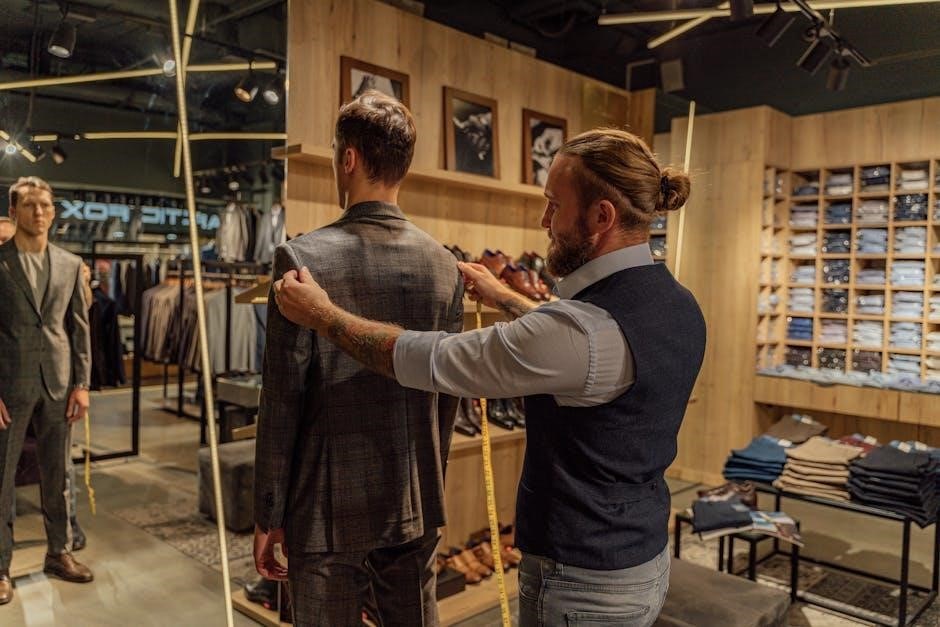
Stretch the measuring tape from shoulder point to shoulder point across your back, keeping the tape straight and level. It’s helpful to have an assistant for this step to ensure accuracy.
Avoid hunching or rounding your shoulders during the measurement. A relaxed, natural posture is essential. Record the measurement in inches or centimeters.
This measurement is often represented as a number in suit jacket sizing (e.g., a 40R jacket might have a 18-inch shoulder). A proper shoulder fit prevents pulling or bunching.
Sleeve Length Measurement
Accurate sleeve length is vital for a polished appearance, allowing a proper shirt cuff exposure – typically about ½ inch. Begin by bending your arm at a 90-degree angle.
Have an assistant measure from the shoulder point (where the sleeve attaches to the jacket) down to the wrist bone. Keep your arm relaxed and slightly bent during measurement.
Ensure the measuring tape follows the natural curve of your arm. Record the measurement in inches. Sleeve length is often indicated in jacket sizing (e.g., 32R, 34L).
Consider your shirt sleeve length when determining the ideal jacket sleeve length. Too short or too long sleeves detract from the overall fit and style.
Back Length Measurement
Determining the correct back length ensures the jacket provides adequate coverage and a flattering silhouette. This measurement impacts the overall proportion and comfort of the jacket.
With the jacket buttoned, have an assistant measure from the base of the collar (center back) straight down to the desired hem length. The hem should ideally cover your seat.
Standard back lengths typically range from 29 to 31 inches, but this varies based on height and body type. A longer back length suits taller individuals.
Consider your posture and preferred style when deciding on the back length. A shorter length can create a more modern, streamlined look, while a longer length offers a classic feel.
Waist Measurement (for Jacket)
The jacket’s waist measurement isn’t your natural waist, but rather the circumference around the jacket itself at its narrowest point. This dictates how the jacket will close and fit across your torso.
To measure, lay the jacket flat, buttoned. Use a measuring tape to measure horizontally across the back, just below the armholes – this is the jacket’s waist.
Record this measurement in inches. It’s crucial for ensuring the jacket doesn’t feel too tight or too loose when fastened. A well-fitted jacket will subtly define your waist.
Remember that jacket sizes often differ between brands, so comparing this measurement to the brand’s size chart is essential for an accurate fit. Consider alterations if needed.
How to Take Suit Jacket Measurements
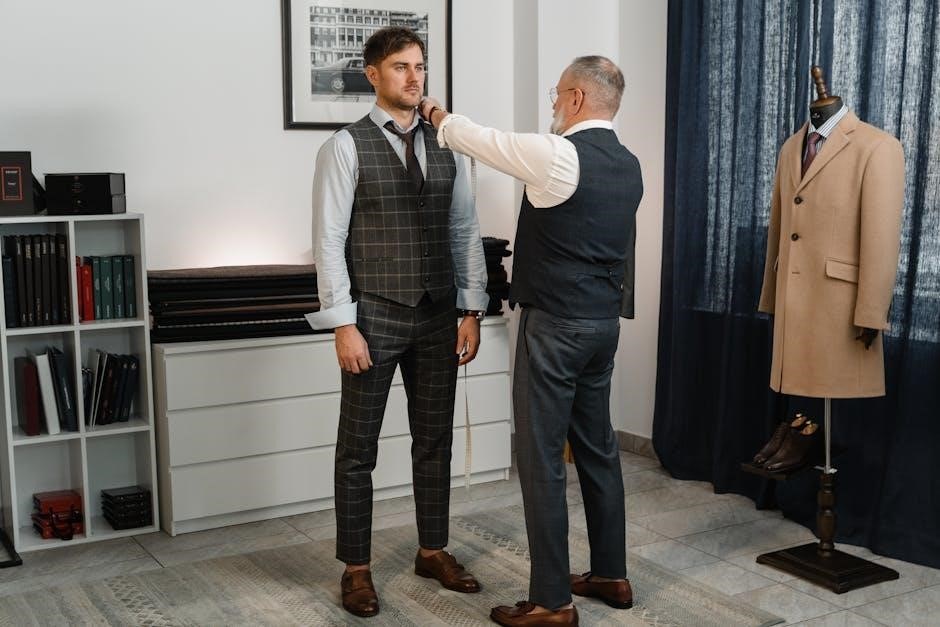
Precise measurements require a helper and a flexible tape measure; focus on chest, shoulders, sleeves, and back length for optimal results and a perfect fit.
Getting a Helper
Accurately measuring for a suit jacket is significantly easier, and more importantly, more precise, with the assistance of another person. Attempting to self-measure can lead to inconsistencies and errors, particularly when reaching around the back or shoulders.
A helper can ensure the measuring tape remains level and snug – but not tight – against your body, providing a reliable reading. They can also reach areas you cannot, like the center of your back for length measurements.
Communication is key! Clearly explain which measurements you need and how the tape should be positioned. A second pair of eyes and hands dramatically improves the accuracy of the entire process, ultimately leading to a better-fitting suit jacket.
Using a Flexible Measuring Tape
Essential for accurate suit jacket measurements, a flexible, non-stretch measuring tape is paramount. Avoid using metal tapes or rigid rulers, as these won’t conform to your body’s curves and contours, resulting in inaccurate readings.
Ensure the tape is held snugly – not tightly – against your body throughout the measurement process. It should follow the natural shape of your chest, shoulders, and waist without compressing the fabric or skin.
Read the measurements in inches or centimeters, depending on your preference and the size chart you’re using. Maintain consistency throughout all measurements to avoid confusion. A quality flexible tape is a small investment for a perfectly fitted jacket!
Taking Chest and Shoulder Measurements
For chest measurement, stand naturally with your arms relaxed at your sides. Wrap the measuring tape around the fullest part of your chest, typically across the nipples, ensuring it’s level all around.
Record this circumference; it’s a primary determinant of your jacket size. Next, measure your shoulders. Locate the bony points at the ends of your shoulders.
Stretch the tape measure across your back, connecting these points. This shoulder measurement is crucial for ensuring the jacket’s yoke fits correctly, preventing tightness or gaping. Accurate chest and shoulder measurements are foundational for a well-fitted suit jacket.
Measuring Sleeve Length
To accurately measure sleeve length, bend your elbow slightly – about 90 degrees – and have a helper measure from the shoulder point (where the shoulder seam meets the arm) down to the wrist bone.
Ensure the arm is relaxed and the tape measure follows the natural curve of your arm. A standard sleeve length allows approximately ½ inch of shirt cuff to be visible.
Consider your shoe type; higher heels may necessitate slightly longer sleeves. Precise sleeve length is vital for a polished appearance, avoiding sleeves that are too short or obscure your hands. This measurement impacts overall jacket proportion and style.
Determining Back Length
To find your back length, measure from the base of your neck – the prominent bone – straight down to where you want the jacket to end on your backside.
A common guideline is to have the jacket cover your seat, but preferences vary. Have your helper stand directly behind you for an accurate measurement.
Consider your body proportions; taller individuals may require a longer back length. This measurement significantly impacts the jacket’s overall silhouette and how it complements your physique. Incorrect back length can lead to an unbalanced or awkward fit, affecting both comfort and style.
Measuring the Waist
For a suit jacket, the waist measurement isn’t the same as your trouser waist. Instead, measure around the fullest part of your torso, typically just below your chest, keeping the tape measure level.
Ensure the tape is comfortably snug, not too tight or loose. This measurement determines how the jacket will close and how well it will conform to your body shape. A precise waist measurement is vital for achieving a tailored look.
Remember that jacket tailoring often involves adjustments at the waist to create a more defined silhouette. This measurement serves as a starting point for achieving the desired fit and style.
Suit Jacket Size Charts
Standard size charts (US, European) correlate chest and shoulder measurements to jacket sizes; however, brand variations exist, requiring careful review before purchase.
Referencing these charts, alongside bust, waist, and hip measurements, helps determine the closest initial size for a well-fitted jacket.
Standard US Suit Jacket Size Chart
The standard US suit jacket size chart typically organizes sizes in increments, correlating chest circumference with corresponding jacket sizes. It’s important to note that these are general guidelines, and variations can occur between manufacturers.
Here’s a common breakdown:
- XS (Extra Small): 34-36 inch chest
- S (Small): 36-38 inch chest
- M (Medium): 38-40 inch chest
- L (Large): 40-42 inch chest
- XL (Extra Large): 42-44 inch chest
- XXL (Double Extra Large): 44-46 inch chest
Alongside chest size, sleeve length is crucial. Common sleeve lengths are typically offered in short (32”), regular (33-34”), long (35-36”), and extra-long (37”+) options. Waist measurements, while less directly indicated in size, are important for achieving a tailored fit. Remember to always consult the specific brand’s size chart for the most accurate fit.
European/International Suit Jacket Size Chart
European and international suit jacket sizing differs from the US system, often utilizing numeric sizes alongside letter designations. These charts frequently prioritize chest circumference, but waist and hip measurements are also relevant for a precise fit.
A typical conversion looks like this:
- XS: 46 (84cm bust)
- S: 48 (88cm bust)
- M: 50 (92cm bust)
- L: 52 (96cm bust)
- XL: 54 (100cm bust)
- XXL: 56 (104cm bust)
It’s vital to cross-reference these numeric sizes with the brand’s specific chart, as variations exist. Sleeve length and back length remain important considerations, often indicated separately. Always prioritize measuring yourself and comparing those measurements to the detailed size guide provided by the retailer or manufacturer.
Size Variations by Brand
Suit jacket sizing isn’t standardized; significant variations exist between brands, even within the same region. A size 40R in one brand might fit like a 38R or 42R in another, necessitating careful attention to individual brand size charts.
Factors contributing to these differences include varying cut styles – slim fit, regular fit, etc. – and differing interpretations of chest and shoulder measurements. Some brands prioritize a closer, more tailored fit, while others offer a more relaxed silhouette.
Always consult the specific size guide provided by the brand you’re considering. Don’t rely solely on your usual size; measure yourself and compare those measurements directly to the brand’s chart for the most accurate fit.
Understanding Fit Terminology
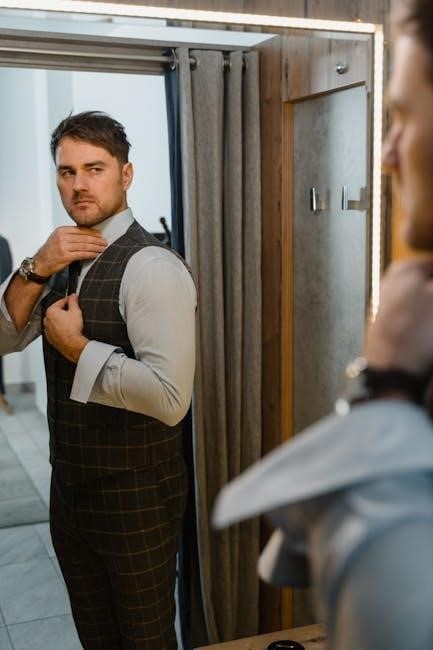
Key terms like slim fit, regular fit, and modern fit describe jacket silhouettes; understanding these distinctions is vital for selecting a style that complements your body type.
Each fit impacts how the jacket drapes and feels, influencing both comfort and overall aesthetic appeal, so choose wisely!
Slim Fit vs. Regular Fit
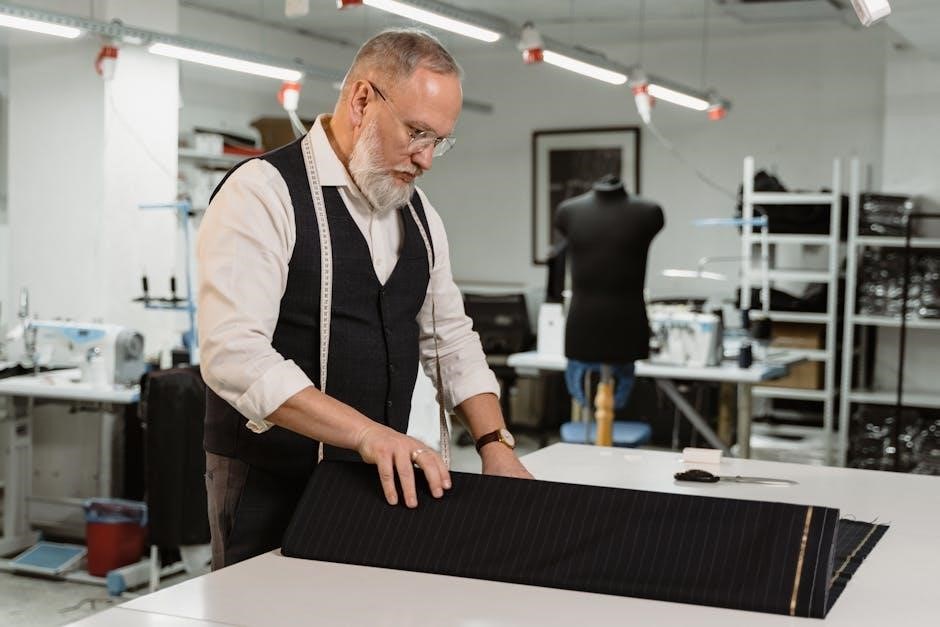
Slim fit suit jackets are tailored closer to the body, offering a modern, streamlined silhouette. They typically feature a higher armhole and a more defined waist, creating a sharp, fashionable appearance. These jackets are best suited for individuals with leaner builds, as they accentuate the body’s natural shape.
Regular fit, conversely, provides a more classic and comfortable fit. It offers more room throughout the chest, waist, and shoulders, allowing for greater ease of movement. This style is ideal for those who prefer a relaxed look or have a broader build. Regular fit jackets are versatile and can be worn for various occasions.
The primary difference lies in the amount of fabric and the cut; slim fit emphasizes a tailored look, while regular fit prioritizes comfort and a looser silhouette. Consider your body type and personal preference when choosing between these two popular fits.
Modern Fit Explained
Modern fit suit jackets bridge the gap between slim and regular fits, offering a contemporary silhouette that’s both flattering and comfortable. They are typically cut closer to the body than regular fit, but not as tightly as slim fit, providing a balanced appearance.
Key characteristics include slightly tapered shoulders, a defined waist, and a shorter jacket length. This creates a streamlined look without feeling restrictive. Modern fit jackets often feature a natural shoulder, avoiding the padded look of some traditional styles.
This versatile fit suits a wide range of body types, making it a popular choice for professionals and those seeking a stylish yet approachable look. It’s an excellent option for those who want a tailored appearance without sacrificing comfort or mobility.
Classic Fit Details
Classic fit suit jackets represent a traditional silhouette, prioritizing comfort and a relaxed appearance. They are characterized by a looser cut throughout the body, offering ample room for movement and layering. This style is ideal for individuals who prefer a more comfortable, less restrictive fit.
Key features include wider lapels, a fuller chest, and a straight cut through the waist and hips. The jacket typically has a longer length, providing more coverage. Shoulders are generally softer and less structured than in modern or slim fits.
Classic fit is a timeless choice, suitable for formal occasions and professional settings where a conservative look is desired. It’s a particularly good option for those with broader builds or who prefer a more traditional aesthetic.

Common Fit Issues & Solutions
Addressing fit problems—shoulders too tight, sleeves too short, or jacket length incorrect—is vital for a polished appearance; alterations offer tailored solutions.
Proper adjustments by a skilled tailor can transform an ill-fitting jacket into a perfectly customized garment, enhancing both comfort and style.
Shoulder Issues (Too Tight/Loose)
Shoulder fit is arguably the most critical aspect of a suit jacket, as alterations here are often complex and expensive. A properly fitted shoulder should lie flat, following the natural slope of your shoulders without any bunching, pulling, or dimpling.
If the jacket feels too tight across the shoulders, restricting arm movement or creating wrinkles, it’s likely too small. Conversely, if the shoulder pads extend beyond your natural shoulder line, or if there’s excessive fabric around the shoulder area, the jacket is too large.
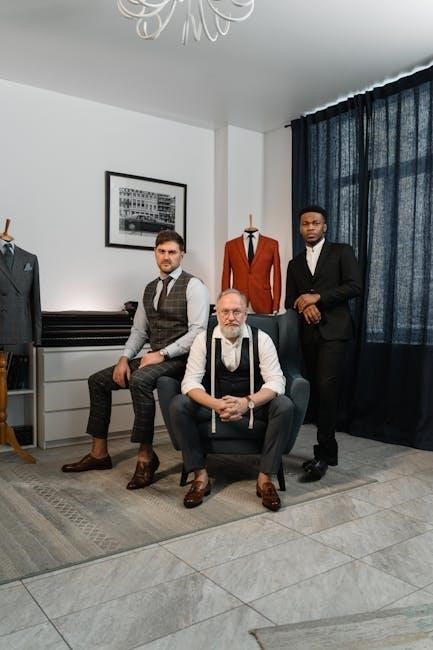
A common sign of a poor shoulder fit is a “shelf-like” appearance, where the jacket appears to sit on your shoulders rather than with them. Minor tightness can sometimes be let out by a skilled tailor, but significant adjustments are often impractical. Prioritize getting the shoulder fit right initially, as it forms the foundation of the entire jacket’s structure.
Sleeve Length Problems
Correct sleeve length is essential for a refined appearance. Ideally, approximately ¼ to ½ inch of your shirt cuff should be visible beyond the jacket sleeve. This subtle detail demonstrates attention to detail and elevates the overall look.
Sleeves that are too short can make your arms appear disproportionately long and create an unfinished aesthetic. Conversely, sleeves that are too long will cover your cuffs entirely, appearing sloppy and hindering movement.
Measuring sleeve length accurately – from the shoulder point down to the wrist – is crucial. A tailor can easily adjust sleeve length, typically by shortening them from the cuff. Extending sleeves is more challenging and may not always be possible depending on the amount of fabric available.
Jacket Length Adjustments
Jacket length significantly impacts overall proportion and silhouette. A well-fitted jacket should generally cover your seat – the point where your trousers begin. However, modern styles sometimes favor slightly shorter lengths.
If the jacket is too long, it can appear boxy and overwhelming, diminishing your stature. Conversely, a jacket that’s too short can look awkward and unbalanced. Adjustments are typically made by a tailor, shortening the jacket from the bottom hem.
Lengthening a jacket is considerably more difficult and often impractical, as there’s limited fabric allowance. A skilled tailor can assess the jacket’s construction and advise on the feasibility of adjustments, ensuring a clean and professional finish.
Online Measurement Tools & Resources
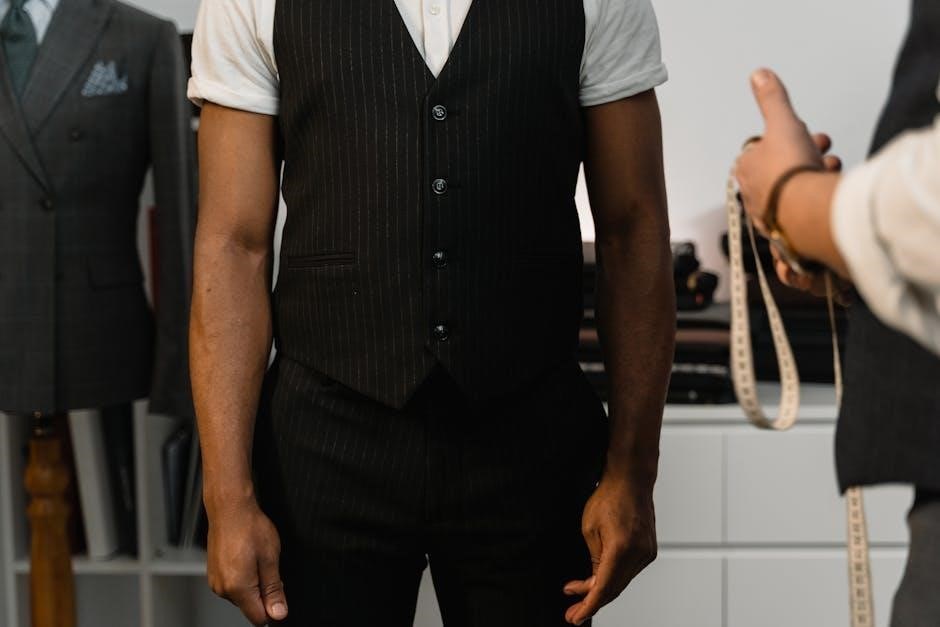
Numerous digital tools and brand-specific guides simplify self-measurement, offering virtual tailoring and size recommendations for a better online shopping experience.
Apps and websites leverage technology to provide personalized fit assessments, reducing guesswork and minimizing return rates for suit jackets.
Virtual Tailors and Apps
The rise of technology has introduced innovative solutions for obtaining accurate suit jacket measurements without a professional tailor. Virtual tailors, often integrated into brand websites or available as standalone apps, utilize your smartphone’s camera and augmented reality to assess your body shape and size.
These tools typically guide you through a series of poses and measurements, providing real-time feedback and suggesting the optimal jacket size. Some apps even allow you to upload photos for a more detailed analysis. While not a replacement for a skilled tailor, they offer a convenient and cost-effective starting point, especially for online purchases.
Popular options include those offered by various menswear retailers, designed to streamline their online fitting process. Remember to follow the app’s instructions carefully and double-check the results for the best possible fit.
Brand-Specific Size Guides
Recognizing that sizing can vary significantly between manufacturers is paramount when purchasing a suit jacket. Each brand often employs unique cut and fit philosophies, resulting in discrepancies even when labeled with the same numerical size.
Therefore, always consult the specific size guide provided on the brand’s website before making a purchase. These guides typically include detailed charts correlating chest, shoulder, and sleeve measurements to their corresponding jacket sizes.
Pay close attention to any notes regarding the brand’s fit – whether it leans towards slim, regular, or modern. Some brands also offer detailed measurement instructions and visual aids to ensure accuracy. Utilizing these resources minimizes the risk of ordering an ill-fitting jacket and potential alteration costs.
Professional Alterations
A skilled tailor can refine a suit jacket’s fit, addressing issues like shoulder adjustments, sleeve length, and overall silhouette for a personalized result.
Alteration costs vary based on complexity; simple adjustments are affordable, while extensive changes require a larger investment for optimal fit.
Finding a Qualified Tailor
Locating a proficient tailor is paramount for achieving a perfectly fitted suit jacket. Begin by seeking recommendations from friends, family, or colleagues who have experienced excellent tailoring services. Online reviews and local business directories can also provide valuable insights into a tailor’s reputation and expertise.
When evaluating potential tailors, inquire about their experience specifically with suit alterations. A seasoned tailor should demonstrate a thorough understanding of garment construction and fitting techniques. Don’t hesitate to ask about their approach to complex alterations, such as shoulder adjustments or sleeve reshaping.
Observe the tailor’s workspace; a clean, organized shop suggests attention to detail. A preliminary consultation is crucial to discuss your specific needs and assess the tailor’s ability to deliver the desired results. A good tailor will listen attentively, offer insightful advice, and provide a clear estimate of the alteration costs and turnaround time.
Common Alteration Costs
Suit jacket alteration costs vary significantly based on complexity and location. Simple adjustments, like hemming sleeves, typically range from $25 to $50. Replacing buttons or adjusting the jacket’s length usually falls between $30 and $75.
More involved alterations, such as taking in or letting out the sides of the jacket, can cost $60 to $150, depending on the amount of fabric manipulation required. Shoulder adjustments, a complex procedure, often range from $80 to $200 or more.
Significant structural changes, like reshaping the entire jacket, can exceed $200. It’s always best to obtain a detailed quote from the tailor before authorizing any work. Remember that quality tailoring is an investment, and paying a bit more for expertise can ensure a superior fit and lasting satisfaction.