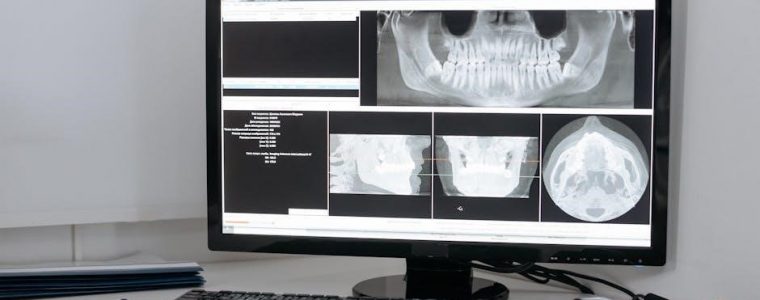
oral mech exam pdf
An oral mechanism examination assesses speech and orofacial functions, crucial for identifying disorders. It involves evaluating structures like lips, tongue, and jaw, and their movements during speech. Tools like the Quick Oral Exam (QOE) form and checklists simplify the process, ensuring comprehensive evaluation for both pediatric and adult clients.
1.1 Definition and Purpose
An oral mechanism examination (OME) is a clinical assessment of the oral and facial structures’ function and movement. It aims to identify abnormalities in speech production, swallowing, and oral motor skills. The exam evaluates structures like lips, tongue, and jaw, assessing their strength, coordination, and range of motion. Its primary purpose is to guide speech-language pathologists in diagnosing disorders and planning interventions. Tools like the Quick Oral Exam (QOE) form and checklists are used to standardize the evaluation process, ensuring accuracy and reliability for both pediatric and adult clients.
1.2 Importance in Speech and Language Assessment
The oral mechanism examination is crucial for identifying speech and language disorders. It provides insights into oral motor skills, articulation, and swallowing abilities, guiding targeted interventions. By assessing structural and functional abnormalities, it helps speech-language pathologists develop effective treatment plans. The exam is essential for both pediatric and adult clients, ensuring accurate diagnoses and personalized care. Tools like the QOE form and checklists standardize the process, making it a vital component of comprehensive speech and language assessments.
Key Components of an Oral Mech Exam
The exam includes visual inspection of oral structures, assessment of movements, and evaluation of speech production. Tools like the QOE form and checklists aid in systematic evaluation.
2.1 Visual Examination of Oral Structures
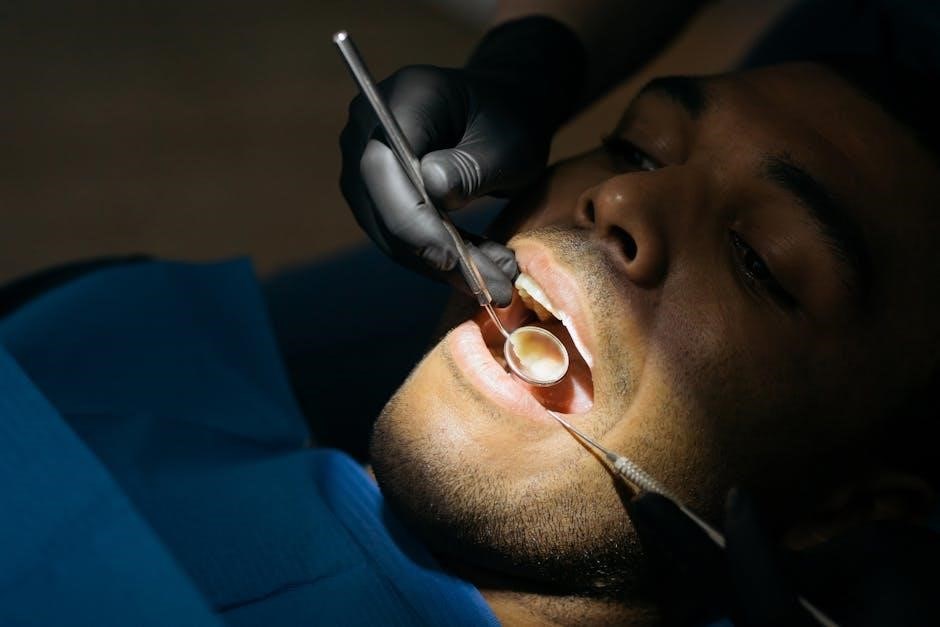
The visual examination of oral structures is a critical component of an oral mech exam. It involves inspecting the lips, tongue, teeth, and jaw for alignment, symmetry, and any abnormalities. Using tools like the QOE form or an oral exam checklist, clinicians assess the integrity of these structures. This step helps identify issues that may impact speech production, such as tongue-tie or misaligned teeth. The examination is conducted systematically to ensure all areas are evaluated thoroughly, providing a foundation for further assessment of oral functions and speech capabilities.
2.2 Assessment of Oral Movements and Functions
The assessment of oral movements and functions evaluates the client’s ability to perform specific tasks. This includes movements of the tongue, lips, and jaw, such as protrusion, lateralization, and elevation. The QOE form and oral exam checklist guide clinicians in systematically observing these functions. The examination identifies limitations or abnormalities, such as reduced range of motion or coordination issues, which may indicate conditions like dysarthria or apraxia. Accurate documentation of these findings is crucial for correlating with speech production and overall communication abilities.
2.3 Evaluation of Speech Production
The evaluation of speech production examines how oral structures contribute to sound formation and intelligibility. Clinicians assess articulation, voice quality, and fluency during tasks like repeating words or sentences. Tools like the QOE form and oral exam checklist help document deviations in speech patterns. Observing errors in consonant-vowel syllables or diadochokinetic rates provides insights into motor speech disorders. This step correlates oral movement findings with functional communication, aiding in diagnosing conditions such as apraxia or dysarthria and guiding targeted interventions.
Tools and Resources for Conducting the Exam
Essential tools include the Quick Oral Exam (QOE) form and an Oral Exam Checklist. Commercial tests offer structured protocols for consistent and thorough evaluation.
3.1 The Quick Oral Exam (QOE) Form
The Quick Oral Exam (QOE) form is a practical tool for assessing oral mechanisms. It includes five key categories and oral-facial items, providing a structured approach to evaluation. Designed for pediatric assessments, the QOE is free and downloadable, offering a user-friendly format. Clinicians can use it to systematically document findings, ensuring consistency and accuracy. Its simplicity makes it ideal for quick screenings while maintaining thoroughness in identifying speech and orofacial challenges. Available through resources like Speech Dynamics, Inc., the QOE supports efficient and effective oral mechanism examinations.
3.2 Oral Exam Checklist
An oral exam checklist is a basic tool for conducting oral mechanism examinations. It lists specific items to evaluate, such as oral structures and movements, allowing clinicians to check off each item if performed satisfactorily. This structured approach ensures a thorough and organized assessment. The checklist is particularly useful for identifying normal and abnormal findings, aiding in the diagnosis of speech and orofacial disorders. Its simplicity and clarity make it an essential resource for both novice and experienced professionals, ensuring consistency in clinical evaluations and documentation.
3.3 Commercial Tests and Protocols
Commercial tests and protocols, such as those outlined by Dennis M. Ruscello, provide standardized methods for examining speech mechanisms. These tools offer detailed frameworks for assessing orofacial structures, movements, and speech production. They are designed to identify abnormalities and correlate findings with speech and language abilities. Commercial protocols often include comprehensive checklists and scoring systems, ensuring reliability and consistency in clinical evaluations. These resources are invaluable for speech-language pathologists, offering evidence-based approaches to diagnose and manage orofacial and speech disorders effectively in both pediatric and adult populations.
Preparation for the Oral Mech Exam
Preparation involves gathering materials like the QOE form and oral exam checklist. Ensure a comfortable, distraction-free environment and inform clients about the process to facilitate cooperation.
4.1 Gathering Necessary Materials
Gathering materials is crucial for a thorough oral mech exam. Essential tools include the Quick Oral Exam (QOE) form, an oral exam checklist, and a flashlight for visualization. Gloves, a mirror, and tongue depressors are also necessary for assessing oral structures and movements. Ensure all forms are downloaded and printed beforehand. Additional resources like commercial tests or protocols may be required, depending on the client’s needs. Organizing these materials in advance ensures efficiency and accuracy during the examination process.
4.2 Understanding the Exam Environment
Creating an appropriate environment is vital for conducting an effective oral mech exam. Ensure the room is well-lit to allow clear visualization of oral structures. Position the client comfortably, ideally seated upright, to facilitate easy access for examination. Minimize distractions to maintain the client’s focus. Familiarize yourself with the space to efficiently use tools like flashlights or mirrors. A calm and organized setting helps in obtaining accurate results and ensures client cooperation throughout the process;
4.3 Patient/Client Preparation
Preparing the patient or client is essential for a successful oral mech exam. Inform them about the process to reduce anxiety and ensure cooperation. Advise them to wear loose clothing for easy access and avoid eating or drinking staining substances beforehand. Ensure they understand the importance of following instructions accurately. Provide clear explanations of the exam’s purpose and duration. This preparation fosters a positive experience, enhances accuracy, and ensures the client is mentally and physically ready for the assessment.
Administration of the Oral Mech Exam
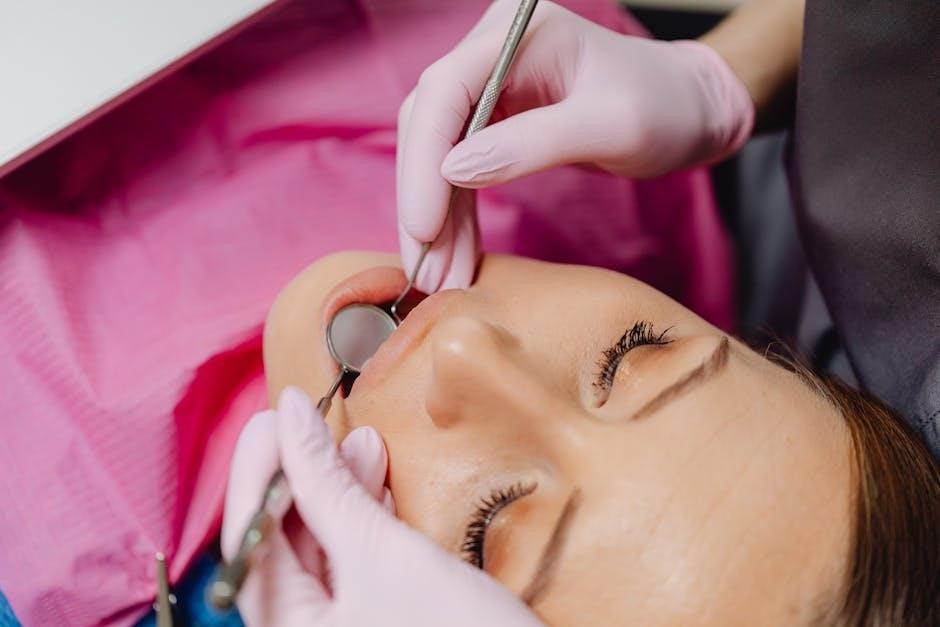
The administration of an oral mech exam involves a systematic approach, utilizing tools like checklists, ensuring client cooperation, and accurate documentation to ensure reliable results.
5.1 Step-by-Step Procedure
The oral mech exam begins with preparing materials like the QOE form or checklist. Start with a visual inspection of oral structures, assessing lips, tongue, and jaw alignment. Next, evaluate voluntary movements, such as puckering, blowing, and tongue protrusion. Then, observe speech production, noting articulation and voice quality. Document findings systematically, ensuring accuracy. Finally, review results to identify patterns or abnormalities, correlating them with speech and language abilities for a comprehensive assessment.
5.2 Observing and Recording Findings
During the oral mech exam, systematically observe and document findings using tools like the QOE form or checklist. Note oral structure abnormalities, movement limitations, and speech production issues. Record observations clearly, distinguishing typical from atypical findings. For example, document lip movement, tongue coordination, and jaw alignment. Use standardized scales or descriptors to ensure consistency. Capture both voluntary and speech-related movements, as these provide insights into functional abilities. Accurate and detailed documentation is crucial for reliable assessment and future reference.
5.3 Ensuring Accuracy and Reliability
To ensure accuracy and reliability in the oral mech exam, use standardized tools like the QOE form or checklist. Document findings clearly, noting specific observations rather than subjective interpretations. Consistency is key; ensure all examiners follow the same protocol. Regular training and inter-rater agreement checks can enhance reliability. Use audio or video recordings for later verification if needed. Accurate documentation and adherence to established protocols help maintain the integrity of the assessment, ensuring reliable and reproducible results for effective clinical decision-making.

Interpretation of Exam Results
Interpreting oral mech exam results involves identifying normal and abnormal findings, correlating them with speech and language abilities, and guiding appropriate interventions based on the assessment outcomes.
6.1 Identifying Normal and Abnormal Findings
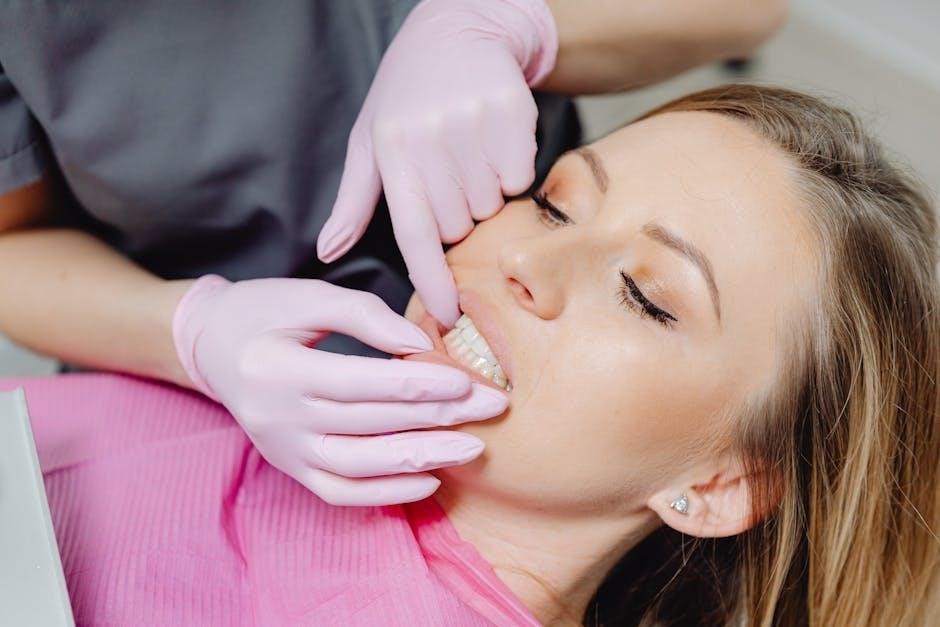
Identifying normal and abnormal findings in an oral mech exam involves assessing oral structures and movements. Normal findings include proper articulator movement and coordination, while abnormalities may indicate speech or motor disorders. Tools like the QOE form and oral exam checklists help differentiate between typical and atypical results. For example, limited tongue movement or asymmetrical facial features may signal potential issues. Accurate identification of these findings is crucial for diagnosis and intervention planning, ensuring effective speech and language therapy outcomes for clients.
6.2 Correlating Results with Speech and Language Abilities
Correlating oral mech exam results with speech and language abilities helps identify how structural or functional limitations impact communication. For instance, restricted tongue movement may affect articulation, while facial asymmetry could impair speech clarity; Tools like the QOE form and oral exam checklists provide a framework to link physical findings with speech production. This correlation is essential for understanding the client’s ability to form sounds, words, and sentences effectively. Accurate correlations guide targeted interventions, ensuring tailored approaches to address specific speech and language challenges.
6.3 Developing a Plan for Intervention
Based on exam findings, an intervention plan is tailored to address specific speech and language challenges. This plan incorporates targeted exercises, therapy strategies, and adaptive techniques to improve oral function and communication. Tools like the QOE form and oral exam checklists help prioritize areas needing intervention. The plan is client-centered, focusing on enhancing articulation, fluency, and overall speech clarity. Regular monitoring and adjustments ensure progress, with goals aligned to the individual’s needs and abilities. Effective intervention plans bridge the gap between assessment and meaningful outcomes.
Case Studies and Practical Examples
Case studies highlight typical oral mech exam findings in pediatric clients, such as articulation errors, and demonstrate real-world applications of the exam in clinical settings effectively.
7.1 Typical Findings in Pediatric Clients
Oral mech exams for pediatric clients often reveal common issues like articulation errors, tongue thrust, and oral motor delays. These findings, identified using tools like the QOE form, help guide intervention strategies tailored to improve speech clarity and orofacial function in children. Early detection of such issues is crucial for timely therapeutic interventions, ensuring better communication outcomes. The exam’s structured approach allows clinicians to address specific developmental challenges effectively, making it an essential tool in pediatric speech-language pathology.
7.2 Common Issues in Adult Clients
Oral mech exams for adults often uncover issues like dysarthria, apraxia, or oral motor deficits, frequently linked to neurological conditions or trauma; The QOE form and checklists help identify these challenges, enabling targeted interventions. Adults may exhibit difficulties in articulation, voice quality, or coordination of speech movements. These findings guide rehabilitation strategies to improve communication and orofacial function, emphasizing the exam’s role in addressing acquired disorders. Early identification of such issues is vital for effective treatment planning and enhancing quality of life for adult clients.
7.3 Real-World Applications of the Exam
The oral mech exam is widely used in clinical and educational settings to assess speech and orofacial disorders. Tools like the QOE form and checklists enable professionals to identify issues in children and adults, guiding targeted interventions. In schools, it helps speech therapists develop tailored plans, while in hospitals, it aids in diagnosing neurological or trauma-related speech impairments. The exam’s practicality ensures effective communication assessments, making it indispensable for improving speech and orofacial function across diverse populations and settings.
Best Practices for Conducting the Exam
Use tools like the QOE form and checklists to ensure thoroughness. Maintain client comfort and cooperation, and leverage technology for accurate documentation and reporting of findings.
8.1 Maintaining Client Comfort and Cooperation
Creating a welcoming environment is crucial for client comfort. Explain the exam process clearly to reduce anxiety. Use non-invasive tools like the QOE form to ensure a stress-free experience. Encourage open communication and provide positive reinforcement during the assessment. For pediatric clients, involve caregivers to build trust. Ensure the exam space is accessible and comfortable, with appropriate seating and lighting. Respect client boundaries and pace the examination to avoid fatigue. This approach fosters cooperation and yields accurate results, making the oral mech exam more effective and client-friendly.
8.2 Using Technology to Enhance the Exam Process
Technology plays a vital role in enhancing the oral mech exam process. Digital tools like the QOE form and oral exam checklists streamline data collection and analysis. Audio and video recordings allow for precise assessment of speech patterns and orofacial movements. Telepractice platforms enable remote examinations, expanding accessibility for clients. Additionally, specialized software can analyze speech samples, providing objective measurements. These advancements improve efficiency, accuracy, and client engagement, making the exam process more effective and accessible for both clinicians and clients. Integrating technology ensures comprehensive and reliable outcomes.
8.3 Documenting and Reporting Results Effectively
Accurate documentation and clear reporting are essential for effective oral mech exams. Using standardized forms like the QOE and checklists ensures consistency. Digital tools allow for efficient data entry and analysis, producing clear, organized reports. Including audio and video recordings provides additional support for findings; Reports should highlight normal and abnormal results, correlating them with speech and language abilities. This documentation aids in tracking progress and informing intervention plans, ensuring effective communication with clients and other professionals. Clear reporting enhances collaboration and client care.

Future Directions in Oral Mech Exams
Future directions include telepractice integration, advanced assessment tools, and integration with other diagnostic procedures for comprehensive evaluations, enhancing accessibility and precision in speech and language assessments.
9.1 Advances in Assessment Tools
Advances in assessment tools for oral mech exams include digital platforms and real-time data collection. The Quick Oral Exam (QOE) form and Oral Exam Checklist are now more user-friendly, with comprehensive categories for thorough evaluation. These tools enhance accuracy and efficiency, allowing clinicians to identify issues early and track progress effectively. Integration of technology ensures standardized protocols, making assessments more reliable and accessible for both pediatric and adult clients.
9.2 Integration with Other Diagnostic Procedures
Oral mech exams are often integrated with other diagnostic procedures to provide a holistic assessment of speech and language abilities. Tools like the Quick Oral Exam (QOE) form and checklists complement other evaluations, ensuring a comprehensive approach. This integration enhances diagnostic accuracy and supports intervention planning. By combining oral mech exams with speech and language assessments, clinicians can better identify underlying issues and develop targeted strategies for improvement, particularly in pediatric and adult clients with complex communication needs.
9.3 The Role of Telepractice in Oral Mech Exams
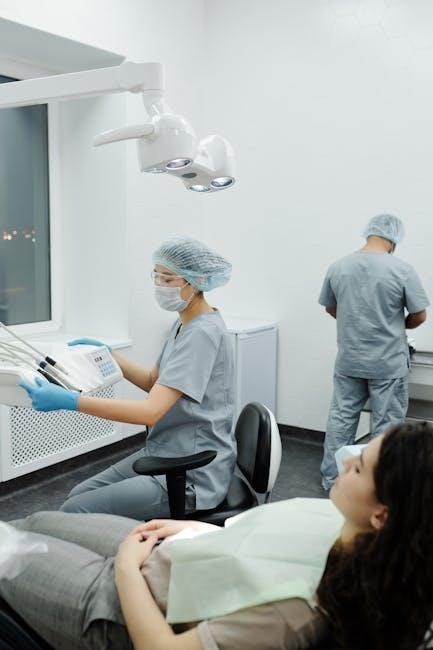
Telepractice has revolutionized oral mech exams by enabling remote assessments via video conferencing. Clinicians can evaluate oral structures and speech production in real-time, using digital tools like the QOE form. This approach enhances accessibility, especially for clients in remote areas. Telepractice also supports efficient data collection and documentation, ensuring accurate results. While maintaining exam integrity, it offers flexibility and convenience, making it a valuable addition to traditional methods without compromising diagnostic accuracy or client outcomes.
The oral mechanism examination is a vital tool in speech-language pathology, providing insights into oral functions and speech production, essential for accurate diagnoses and effective interventions.
10.1 Summary of Key Points
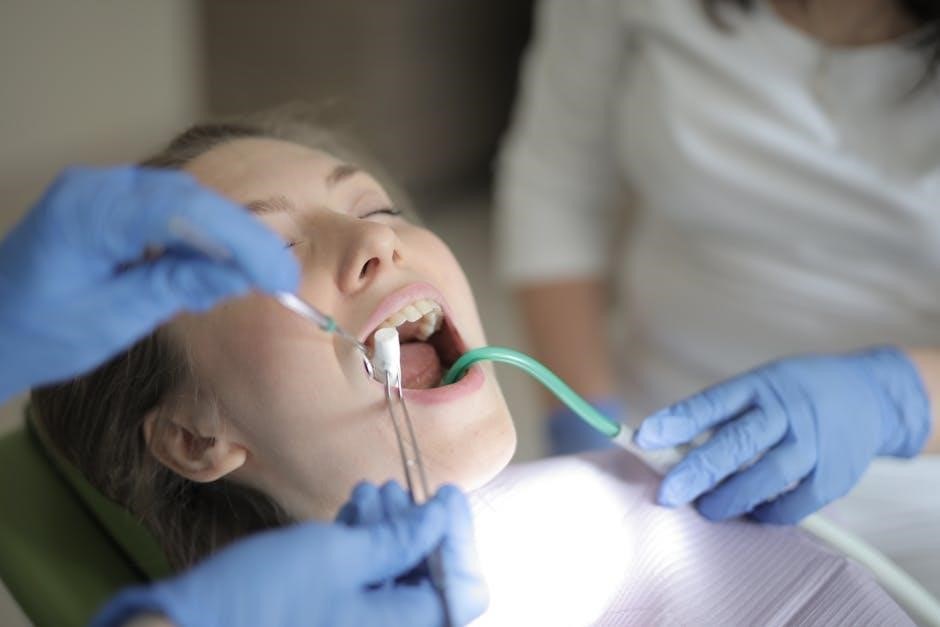
The oral mechanism examination is a comprehensive assessment of oral structures and functions, crucial for identifying speech and language disorders. It evaluates lips, tongue, jaw movements, and speech production, using tools like the QOE form and checklists. These resources standardize the process, ensuring accurate and reliable results. The exam is essential for both pediatric and adult clients, aiding in early detection of abnormalities and guiding targeted interventions. Regular use of these tools enhances diagnostic precision and supports effective communication strategies.
10.2 Final Thoughts on the Importance of the Oral Mech Exam
The oral mechanism examination is a vital tool in speech-language pathology, providing insights into oral function and speech production. It aids in early detection of disorders, guiding targeted interventions. Tools like the QOE form and checklists enhance accuracy, making the exam accessible for both pediatric and adult assessments. Regular use supports effective communication strategies and improves treatment outcomes, underscoring its essential role in clinical practice and patient care.
References and Further Reading
Key resources include the Quick Oral Exam (QOE) form by Speech Dynamics, Inc., and academic works like Dennis M. Ruscello’s thesis on speech mechanism protocols.
11.1 Academic Sources and Research Articles
Academic sources like Dennis M. Ruscello’s work on commercial tests and protocols for speech mechanism exams provide in-depth insights. Research articles often include clinical observations, case studies, and evidence-based practices. These resources are essential for understanding advanced assessment techniques and staying updated on the latest methodologies in oral mechanism examinations. They offer a critical review of current knowledge and contribute to the development of effective diagnostic tools and interventions in speech and language pathology.
11.2 Practical Guides and Clinical Resources
Practical guides and clinical resources, such as the Quick Oral Exam (QOE) form and oral exam checklists, offer step-by-step instructions for conducting thorough oral mechanism examinations. These tools are designed to help speech-language pathologists and clinicians assess oral structures, movements, and speech production effectively. Resources like those from Speech Dynamics, Inc., provide downloadable forms and detailed protocols, ensuring standardized and efficient evaluations. They are invaluable for both novice and experienced professionals, aiding in accurate and reliable assessment outcomes.