passive range of motion exercises pdf
Passive Range of Motion Exercises: A Comprehensive Guide
Discover accessible resources! Chair exercises enhance mobility for aging well‚ while PDFs offer guided PROM techniques for therapists and patients alike‚ ensuring optimal joint health.
What is Passive Range of Motion (PROM)?
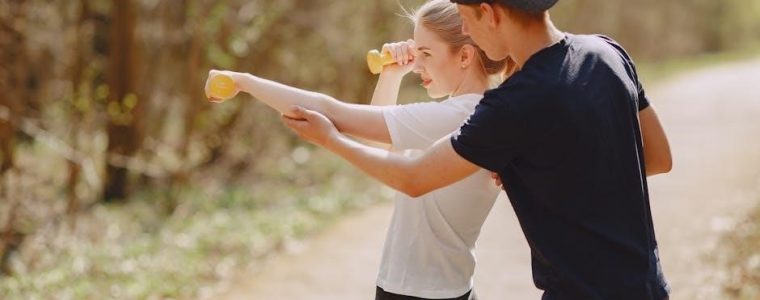
Passive Range of Motion (PROM) involves moving a patient’s body parts through their range of motion without the patient actively using their own muscles. Instead‚ an external force – typically a therapist – facilitates the movement. This differs significantly from active ROM‚ where the patient performs the movement independently.
Understanding PROM is crucial‚ and readily available passive range of motion exercises PDFs can be incredibly helpful for both practitioners and individuals seeking to learn more. These guides often detail specific techniques and illustrate how to correctly apply the external force needed to achieve optimal joint movement. The goal is to maintain or improve joint flexibility when a patient is unable to do so themselves.
The Difference Between Active and Passive ROM
Active Range of Motion (AROM) relies on the patient’s own muscular effort to move a joint through its full arc. Conversely‚ Passive Range of Motion (PROM) utilizes an external force – a therapist or device – to achieve movement. A key distinction lies in patient participation; AROM tests muscle strength and control‚ while PROM assesses joint integrity and flexibility.
Passive range of motion exercises PDFs often highlight this difference‚ providing visual comparisons and detailed explanations. Understanding both is vital for effective rehabilitation. If a patient cannot perform AROM‚ PROM becomes essential to prevent stiffness and maintain joint health. These PDFs frequently include protocols for both types of exercises.
Why is PROM Important?
PROM is crucial for maintaining joint health‚ especially when a patient is unable to move independently. It prevents stiffness‚ contractures‚ and muscle shortening‚ preserving potential for future function. Passive range of motion exercises PDFs emphasize its role in circulation‚ reducing swelling and promoting tissue healing.
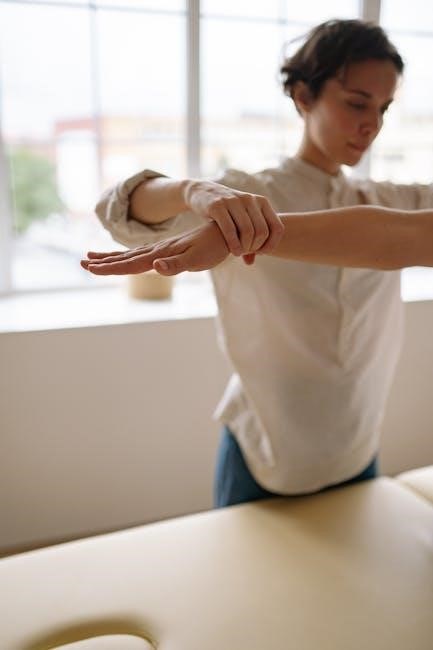
These resources often detail how PROM can alleviate pain by gently mobilizing joints and reducing muscle spasms. For individuals post-surgery or with neurological conditions‚ PROM is a cornerstone of recovery. PDF guides illustrate techniques and frequency‚ ensuring safe and effective implementation‚ optimizing mobility and overall well-being.

Benefits of Passive Range of Motion Exercises
PROM boosts joint health‚ prevents stiffness‚ improves circulation‚ and reduces pain—details often found within comprehensive passive range of motion exercises PDFs.
Maintaining Joint Health
Joint health is paramount for overall well-being‚ and passive range of motion (PROM) exercises play a crucial role in sustaining it‚ particularly when independent movement is limited. Detailed passive range of motion exercises PDFs often illustrate techniques to gently move joints through their full arc‚ preventing stagnation and promoting synovial fluid circulation.
This circulation nourishes cartilage‚ reducing friction and maintaining flexibility. These PDFs frequently emphasize the importance of consistent‚ controlled movements‚ even for individuals with limited mobility. They demonstrate how PROM can counteract the effects of prolonged inactivity‚ preserving joint integrity and function. Accessing these resources empowers both patients and practitioners to proactively support long-term joint health through targeted exercises.
Preventing Contractures and Stiffness
Contractures‚ or the shortening and hardening of muscles‚ tendons‚ and other tissues‚ lead to decreased range of motion and significant functional limitations. Passive range of motion exercises PDFs are invaluable tools in preventing these debilitating conditions. They provide visual guides and step-by-step instructions for regularly moving joints‚ counteracting the forces that cause stiffness.
These resources highlight how consistent PROM can maintain tissue length and elasticity‚ especially crucial post-surgery or during periods of immobilization. Detailed PDFs often include exercise schedules tailored to specific conditions‚ emphasizing the importance of preventing joint capsule tightening. Proactive use of these exercises‚ guided by reliable PDFs‚ safeguards mobility and independence.
Improving Circulation
Passive range of motion exercises‚ detailed in accessible PDFs‚ play a vital role in enhancing blood flow throughout the body. Gentle‚ controlled movements act as a natural pump‚ encouraging circulation to muscles and tissues‚ particularly beneficial for individuals with limited mobility. These resources often illustrate techniques to stimulate venous return‚ reducing swelling and promoting oxygen delivery.
PDF guides emphasize the importance of slow‚ rhythmic movements‚ maximizing circulatory benefits. Improved circulation not only supports tissue health but also aids in reducing pain and inflammation. Regularly utilizing these exercises‚ as outlined in comprehensive PDFs‚ contributes to overall well-being and faster recovery processes.
Reducing Pain
Passive range of motion (PROM) exercises‚ readily available through detailed PDF guides‚ offer a non-invasive approach to pain management. By gently moving joints‚ PROM helps alleviate discomfort associated with stiffness and immobility. These resources often demonstrate techniques that minimize stress on sensitive areas‚ promoting relaxation and reducing muscle spasms.
PDFs emphasize the importance of avoiding pain during exercise; movements should be within a comfortable range. Improved circulation‚ a byproduct of PROM‚ further contributes to pain reduction by delivering oxygen and nutrients to tissues. Consistent application of these exercises‚ as illustrated in comprehensive PDFs‚ can significantly improve quality of life.

Who Can Benefit from PROM Exercises?
Individuals post-surgery‚ with neurological conditions‚ arthritis‚ or limited mobility can all benefit; PDF guides detail tailored exercises for diverse needs and recovery stages.
Post-Surgery Patients
Following surgical procedures‚ patients often experience stiffness and reduced range of motion in the affected joints. PROM exercises‚ detailed in readily available PDF guides‚ play a crucial role in regaining mobility and preventing complications. These guides illustrate how a therapist gently moves a patient’s limb through its range of motion‚ minimizing discomfort and promoting healing.
PDF resources emphasize the importance of starting PROM early‚ as directed by a healthcare professional‚ to prevent joint contractures. They often include specific protocols for different surgeries – shoulder‚ knee‚ hip replacements‚ for example – outlining appropriate angles and repetitions. Accessing these PDFs empowers both patients and caregivers with the knowledge to safely and effectively support the recovery process‚ accelerating return to function.
Individuals with Neurological Conditions
For individuals affected by conditions like stroke‚ cerebral palsy‚ or multiple sclerosis‚ PROM exercises are vital for maintaining joint flexibility and preventing muscle shortening. PDF guides specializing in neurological rehabilitation provide tailored exercise programs‚ often demonstrating techniques to address spasticity and weakness. These resources detail how caregivers or therapists can safely perform PROM‚ respecting the patient’s limitations and avoiding pain.
Comprehensive PDFs often include illustrations and step-by-step instructions‚ focusing on specific movement patterns to improve functional abilities. They emphasize the importance of consistent‚ gentle movements to prevent contractures and preserve as much range of motion as possible‚ enhancing quality of life and independence.
People with Arthritis
Individuals managing arthritis‚ whether osteoarthritis or rheumatoid arthritis‚ can significantly benefit from PROM exercises detailed in specialized PDF guides. These resources focus on gentle movements designed to reduce joint stiffness and pain without exacerbating inflammation. PDFs often illustrate techniques for supporting affected joints during movement‚ minimizing stress and discomfort.
They emphasize the importance of performing PROM within a pain-free range‚ and may include modifications for different arthritis types and severity levels. Accessing these PDFs empowers patients and caregivers to implement safe and effective exercise routines‚ promoting joint health and maintaining functional capacity despite arthritic limitations.
Those with Limited Mobility
For individuals experiencing limited mobility due to various conditions‚ PROM exercises – often detailed in accessible PDF guides – are crucial for preserving joint function and preventing further decline. These PDF resources frequently showcase adapted techniques‚ including those suitable for chair-based exercises‚ maximizing participation even with significant physical constraints.
They highlight the importance of a caregiver or therapist gently moving limbs through their range of motion‚ maintaining circulation and preventing contractures. PDFs often provide visual aids and step-by-step instructions‚ ensuring correct form and minimizing risk‚ ultimately enhancing quality of life for those with restricted movement.

Specific PROM Exercises for Different Body Parts
Detailed PDF guides illustrate targeted exercises for shoulders‚ elbows‚ wrists‚ hips‚ knees‚ and ankles‚ promoting full-body mobility and function through gentle movements.
Shoulder PROM Exercises
PDF resources detail several shoulder PROM exercises crucial for maintaining optimal function. External rotation‚ performed by gently rotating the arm outward while supporting the elbow‚ improves range. Internal rotation involves rotating the arm inward‚ again with elbow support. Abduction lifts the arm away from the body‚ while adduction brings it across the chest. Flexion raises the arm forward‚ and extension moves it backward.
Comprehensive PDF guides often include illustrations demonstrating proper technique and emphasize slow‚ controlled movements. Practitioners should support the limb throughout each exercise‚ avoiding any patient discomfort or pain. These exercises are vital post-surgery or for those with limited shoulder mobility‚ as detailed within accessible PDF materials.
Elbow PROM Exercises
PDF guides illustrate key elbow PROM exercises for restoring full movement. Elbow flexion‚ bending the arm‚ is performed by gently pulling the forearm towards the shoulder. Conversely‚ elbow extension‚ straightening the arm‚ involves carefully pushing the forearm downwards. Pronation rotates the forearm so the palm faces down‚ while supination turns it upwards.
Detailed PDF resources emphasize the importance of supporting the forearm during each movement and avoiding forceful motions. These exercises are particularly beneficial post-injury or surgery‚ as outlined in readily available PDF documents. Proper technique‚ as demonstrated in these guides‚ ensures patient comfort and maximizes the effectiveness of the range of motion restoration.
Wrist and Hand PROM Exercises
Comprehensive PDF resources detail wrist and hand PROM‚ crucial for regaining dexterity. Wrist flexion bends the hand towards the forearm‚ while extension straightens it. Ulnar deviation moves the hand towards the little finger‚ and radial deviation towards the thumb. Finger flexion curls the fingers‚ and extension straightens them.
Illustrated PDF guides emphasize gentle‚ controlled movements‚ supporting the hand and fingers throughout. These exercises‚ often prescribed post-surgery or for arthritis‚ are clearly demonstrated in downloadable PDFs. Maintaining proper technique‚ as shown in these guides‚ prevents injury and optimizes recovery‚ restoring functional hand use and grip strength.
Hip PROM Exercises
Detailed PDF guides illustrate hip PROM‚ vital for post-operative recovery and maintaining joint health. Hip flexion lifts the leg towards the chest‚ while extension moves it backward. Abduction moves the leg away from the midline‚ and adduction brings it towards the midline.
Downloadable PDF resources demonstrate these movements‚ emphasizing gentle‚ controlled motions performed by a therapist or caregiver. Internal and external rotation are also covered‚ crucial for comprehensive hip mobility. Proper technique‚ as visualized in these PDFs‚ minimizes discomfort and maximizes range‚ aiding in functional independence and reducing stiffness.
Knee PROM Exercises
Comprehensive PDF resources detail knee PROM‚ essential for rehabilitation post-surgery or injury. Knee flexion bends the leg‚ while extension straightens it. These PDF guides showcase techniques performed by a therapist‚ ensuring correct form and minimizing patient discomfort.
Downloadable materials illustrate how to gently move the knee through its full range of motion‚ preventing stiffness and contractures. Patellar mobilization‚ also detailed in these PDFs‚ improves joint gliding. Consistent‚ proper PROM‚ guided by these resources‚ supports recovery and enhances functional mobility‚ promoting independence and reducing pain.
Ankle and Foot PROM Exercises
Detailed PDF guides demonstrate ankle and foot PROM‚ crucial for maintaining lower limb function. These exercises include dorsiflexion (foot upwards)‚ plantarflexion (foot downwards)‚ inversion (sole inwards)‚ and eversion (sole outwards). PDF resources often feature clear illustrations and step-by-step instructions for therapists.
Accessible materials emphasize gentle‚ controlled movements to prevent injury and maximize range. Toe curls and alphabet tracing with the foot‚ as shown in some PDFs‚ enhance mobility. Consistent PROM‚ guided by these resources‚ aids recovery from sprains‚ fractures‚ or neurological conditions‚ improving balance and gait.
How to Perform PROM Exercises Correctly
PDF guides stress slow‚ gentle movements‚ supporting the limb‚ and avoiding pain; proper technique‚ detailed in resources‚ is vital for effective‚ safe PROM.
Gentle and Slow Movements
PROM exercises‚ as detailed in many downloadable PDF guides‚ fundamentally rely on controlled‚ deliberate motions. Avoid quick or jerky movements‚ as these can induce discomfort or even injury to the patient. The emphasis should always be on a smooth‚ sustained range of motion‚ carefully guided by the practitioner.
PDF resources often illustrate the appropriate speed – typically a slow‚ rhythmic pace allowing the joint to be moved through its full‚ pain-free arc. This deliberate approach not only minimizes risk but also facilitates better tissue stretching and improved circulation. Remember‚ the goal isn’t force‚ but gentle encouragement of joint mobility‚ as clearly outlined within comprehensive PROM exercise PDFs.
Supporting the Limb
Effective PROM‚ as demonstrated in numerous PDF exercise guides‚ necessitates complete and stable support of the limb being moved. This isn’t merely about preventing discomfort; it’s crucial for isolating the targeted joint and ensuring the movement is truly passive. The supporting hand should cradle the limb‚ providing a secure yet gentle hold throughout the entire range of motion.
PDF resources emphasize avoiding any resistance from the patient. Proper support allows the practitioner to control the movement entirely‚ preventing the patient from actively assisting – which would convert it into active-assisted ROM. Maintaining this support minimizes strain and maximizes the therapeutic benefit‚ as detailed in professional PROM PDFs.
Avoiding Pain
Crucially‚ PROM exercises‚ as detailed in comprehensive PDF guides‚ should never induce pain. A gentle approach is paramount; movement should be within the patient’s comfortable range‚ even if it’s limited initially. PDF resources consistently highlight that pain is a signal to stop and reassess the technique.
Discomfort is distinct from pain. Mild tension is acceptable‚ but sharp or increasing pain indicates a potential issue – perhaps exceeding the joint’s current capacity or improper technique. Professional PROM PDFs emphasize careful observation of the patient’s non-verbal cues‚ alongside verbal feedback‚ to ensure a pain-free experience and prevent injury.
Proper Body Mechanics for the Practitioner
Effective PROM‚ as illustrated in detailed PDF guides‚ demands sound body mechanics from the practitioner. Maintaining a stable base of support – feet shoulder-width apart – is fundamental. Utilize larger muscle groups‚ like legs and core‚ rather than relying on smaller muscles in the back and arms‚ to minimize strain.
PDF resources consistently stress keeping the back straight and avoiding twisting motions. Smooth‚ controlled movements are key‚ and proper positioning relative to the patient prevents awkward reaching or bending. Prioritizing practitioner comfort ensures consistent‚ safe‚ and effective PROM application‚ ultimately benefiting the patient’s recovery process.
Resources for PROM Exercise PDFs
Explore numerous online PDF guides detailing PROM exercises; reliable sources offer clear instructions and illustrations for safe‚ effective application by therapists and patients.
Finding Reliable PDF Guides
Locating trustworthy Passive Range of Motion (PROM) exercise PDFs requires careful consideration. Prioritize resources from reputable healthcare organizations‚ physical therapy associations‚ or established medical institutions. University websites often host evidence-based guides created by qualified professionals.
Be cautious of PDFs from unknown sources or those lacking author credentials. Look for documents that clearly state the qualifications of the creators and cite supporting research. A reliable PDF will detail proper techniques‚ safety precautions‚ and potential contraindications.
Cross-reference information with other trusted sources to ensure accuracy and consistency. Websites of recognized hospitals or rehabilitation centers can provide valuable supplementary information. Always prioritize patient safety and consult with a healthcare professional before starting any new exercise program.
What to Look for in a PROM PDF
A comprehensive PROM exercise PDF should clearly illustrate each movement with detailed instructions and accompanying images or videos. It must specify the target joint‚ the direction of movement‚ and the expected range of motion. Look for sections addressing proper body mechanics for the practitioner to prevent injury.
Essential elements include safety precautions‚ contraindications (when PROM should not be performed)‚ and modifications for different patient conditions. A good PDF will also explain the rationale behind PROM – its benefits for joint health‚ circulation‚ and preventing stiffness.
Finally‚ ensure the PDF emphasizes gentle‚ slow movements and avoiding pain. It should encourage consultation with a healthcare professional for personalized guidance and assessment.
Example PROM Exercise PDF Content
A typical PROM PDF begins with an introduction explaining the purpose and benefits of passive range of motion. It then details exercises categorized by body part – shoulder‚ elbow‚ wrist‚ hip‚ knee‚ and ankle. Each exercise includes step-by-step instructions‚ often with illustrations showing the starting and ending positions.
For example‚ a shoulder PROM exercise might describe supporting the arm and gently moving it through flexion‚ extension‚ abduction‚ and adduction. The PDF would specify the number of repetitions and sets‚ alongside cautions like avoiding forceful movements.
Further content often includes a section on documenting progress and recognizing signs of discomfort‚ emphasizing the importance of patient feedback.
Safety Considerations and Precautions
Always prioritize patient comfort! PDFs highlight contraindications and emphasize consulting a healthcare professional before starting PROM‚ preventing injury and maximizing therapeutic benefits.
Contraindications for PROM
Understanding when not to perform Passive Range of Motion (PROM) is crucial for patient safety. Reliable PROM exercise PDFs will clearly outline these contraindications. Acute inflammation‚ such as from a recent injury or infection‚ is a primary concern; forcing movement can exacerbate the condition.
Fractures‚ unstable joints‚ and severe osteoporosis also preclude PROM‚ as they risk further damage. Additionally‚ individuals experiencing acute pain during movement should immediately stop. Certain cardiovascular or respiratory conditions may necessitate modifications or avoidance of PROM.
Always defer to a healthcare professional’s guidance‚ as specific medical histories dictate appropriate exercise protocols. A comprehensive PDF guide will emphasize these precautions‚ ensuring responsible and effective PROM implementation.
When to Consult a Healthcare Professional
Prior to initiating any PROM exercise program‚ especially utilizing a PROM exercise PDF‚ consulting a healthcare professional is paramount. This is particularly vital post-surgery‚ with neurological conditions‚ or if experiencing persistent pain. A physician or physical therapist can accurately assess your condition and tailor exercises accordingly.
If you encounter increased pain‚ swelling‚ or redness during PROM‚ discontinue immediately and seek medical advice. Any sudden changes in symptoms warrant professional evaluation.
A detailed PDF guide should not replace personalized medical guidance; it’s a supplement. Professionals ensure proper technique and address underlying issues‚ maximizing benefits and minimizing risks. They can also help determine if PROM is appropriate for your specific needs.